
Maintaining your home’s plumbing system is crucial to ensuring a safe and comfortable living environment. For homeowners, understanding the basics of plumbing maintenance can prevent costly repairs and water damage. In this guide, we’ll cover essential tips for maintaining your plumbing system, common issues and their fixes, tools needed for basic repairs, and knowing when to call a professional Plumber for help. Let’s dive into how you can keep your plumbing in top shape.
Essential Plumbing Maintenance Tips for Homeowners
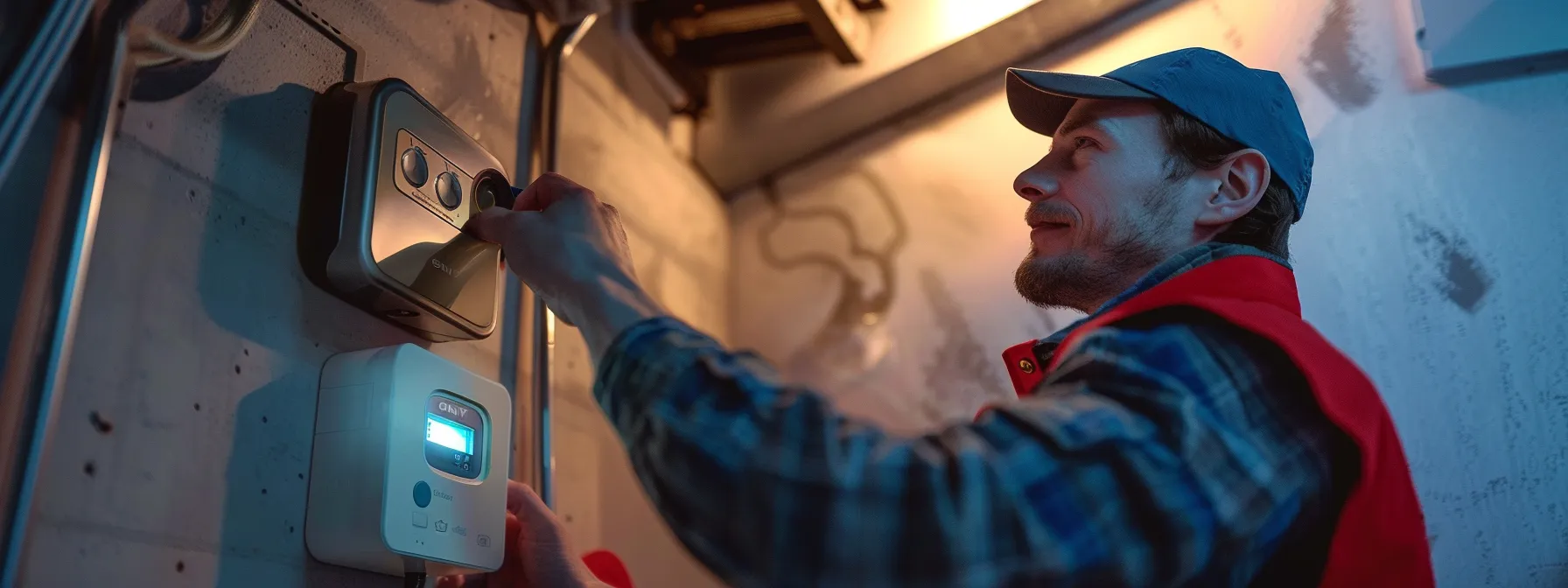
Regular maintenance of your plumbing system can prevent common issues such as leaks and clogs. One effective strategy is scheduling an annual Energy Efficiency Audit, which can help identify potential problems in your plumbing and heating systems. Additionally, inspecting your Indoor Air Quality Monitor ensures that your plumbing is not contributing to poor air quality by leaking gases like radon.
Another critical area to focus on is lead paint compliance, especially in older homes. Lead pipes and solder can be a significant health hazard. Using a simple lead testing kit can help identify these risks. Finally, implementing Home Automation Protocols with smart water leak detectors can alert you to leaks before they become severe, saving you time and money.
Common Plumbing Issues and How to Fix Them
Clogged drains and leaking faucets are among the most common plumbing issues homeowners face. To tackle a clogged drain, a combination of a plunger and a plumbing snake can be effective. For more persistent clogs, chemical drain cleaners can be used with caution. However, always follow the manufacturer’s instructions to avoid damaging your pipes.
Leaky faucets not only waste water but can also increase your utility bills. Replacing worn-out washers or O-rings in the faucet often resolves the issue. If you’re dealing with frequent leaks, an Asbestos Inspection Procedure might be necessary, especially in older homes, to check for deteriorating materials that could impact plumbing integrity.
For issues related to water pressure, inspecting your home’s main water valve and ensuring it’s fully open can sometimes resolve the problem. If you suspect mineral buildup, a water softener might be necessary to prevent future issues.
Tools Every Homeowner Needs for Plumbing Repairs
Having the right tools can make a significant difference in addressing basic plumbing issues. A sturdy plunger is a must-have for any homeowner, as it can handle minor blockages in toilets and drains. An adjustable wrench is useful for tightening and loosening nuts and bolts, a common task in many plumbing repairs.
For more complex tasks, a pipe wrench is essential for gripping and turning pipes. A Plumber’s tape, also known as Teflon tape, is crucial for sealing pipe threads to prevent leaks. Additionally, a universal design assessment might suggest tools that are more ergonomic and accessible for all family members, ensuring everyone can participate in home maintenance tasks.
For safety, consider using a childproofing assessment to ensure that all tools are stored securely away from children, reducing the risk of accidental injuries.
When to Call a Professional Plumber for Help
While many plumbing issues can be handled DIY, certain situations require professional assistance. If you encounter persistent leaks, sewer line problems, or need to install new plumbing fixtures, it’s best to seek expert help. A professional Plumber can conduct a thorough Child Development Milestones check to ensure plumbing fixtures are safe for young children.
If your home is experiencing soil erosion control techniques issues that affect plumbing, or you need a radon mitigation system installed to ensure safe indoor air quality, these are tasks best left to the professionals. A trained Plumber will have the expertise and tools necessary to handle these complex situations effectively.
Finally, for any hazardous materials disposal related to plumbing repairs, professional guidance is crucial to ensure compliance with local regulations and safety standards.
Conclusion

Effectively maintaining your home’s plumbing system is key to preventing costly repairs and ensuring a safe environment. By understanding common issues, having the right tools, and knowing when to seek professional help, you can keep your plumbing system in excellent condition. This proactive approach not only safeguards your home but also contributes to a more comfortable and efficient living space.